Tulare County Seat
Welcome to Visalia, the Tulare County seat and San Joaquin Valley agricultural hub that serves as the gateway city to Sequoia National Park.
Visalia is the seat of Tulare County and the principal city of the southern San Joaquin Valley, positioned about 35 miles west of the Sierra Nevada and the entrance to Sequoia National Park. Founded in 1852 by Nathaniel Vise, the settlement grew as an agricultural and livestock-shipping center, and those roots still define the region: Tulare County ranks among the most productive agricultural counties in the United States, and olives, grapes, and cotton have long been staples of the local economy. That agricultural foundation continues to shape Visalia's character, from its working landscape to its identity as a food-producing hub. As the county seat, Visalia functions as the governmental, economic, and cultural center of Tulare County, and it is one of the larger cities in the valley. Its downtown preserves a sense of the city's early years while supporting a modern mix of restaurants, shops, and civic institutions. The restored 1930 Fox Theatre, an atmospheric movie palace turned performing arts venue, stands as the downtown's most recognizable landmark and a symbol of the city's investment in its historic core. Visalia's most distinctive asset is its role as the gateway to Sequoia National Park. The park's giant sequoia groves and mountain landscapes lie a short drive east, and the seasonal Sequoia Shuttle carries visitors from the city directly into the park. That proximity gives residents an unusual combination: a mid-sized agricultural city with all the conveniences of county-seat life, located within reach of one of the nation's iconic national parks. For newcomers, Visalia offers an established community, a strong sense of place, and easy access to the Sierra Nevada.
Visalia is in Tulare County, California, in the San Joaquin Valley, and it serves as the county seat. The city is the economic and governmental center of one of the most productive agricultural counties in the country.
Visalia is the principal gateway to Sequoia National Park, which lies about 35 miles to the east. The Sequoia Shuttle connects the city to the park's Giant Forest area during the summer season.
Visalia is served by Visalia Unified School District, a large public district that operates four comprehensive high schools—El Diamante, Golden West, Mt. Whitney, and Redwood—along with numerous elementary and middle schools.
Visalia is known as an agricultural center and the gateway to Sequoia National Park. Its downtown is anchored by the restored 1930 Fox Theatre, a historic performing arts venue, and the city is the Tulare County seat.
Visalia was founded in 1852 by Nathaniel Vise and developed as an agricultural and livestock-shipping center, producing olives, grapes, and cotton. It remains the seat and largest city of Tulare County.
City Guide
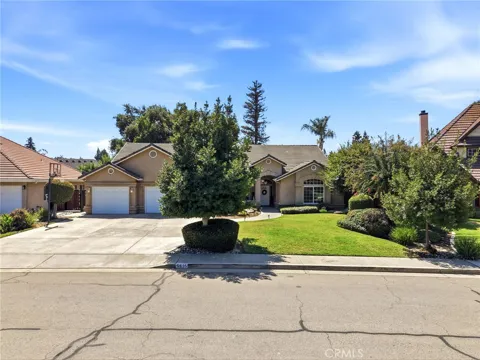
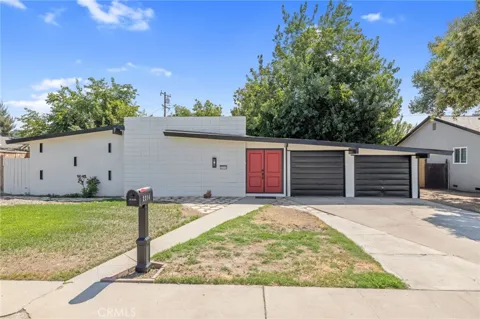
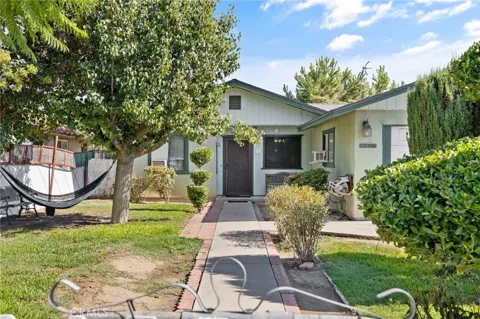
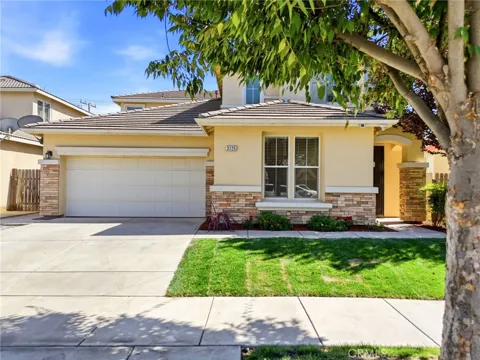
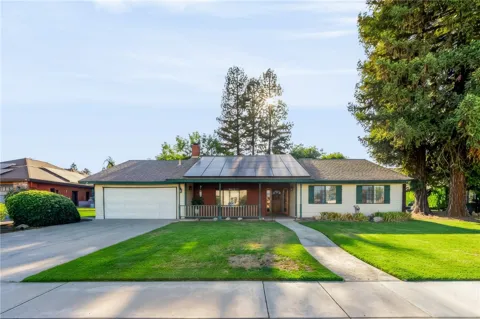
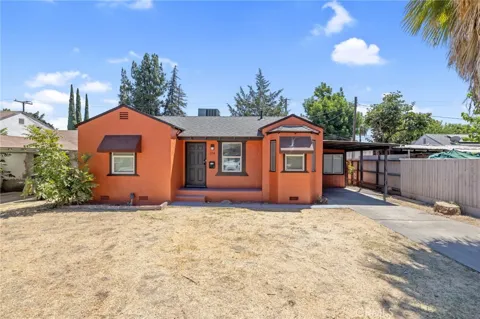
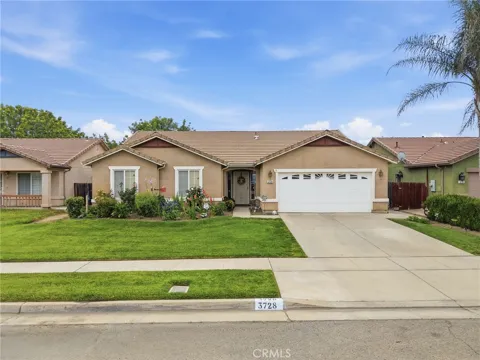
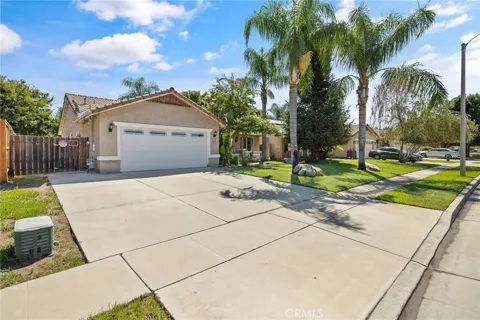
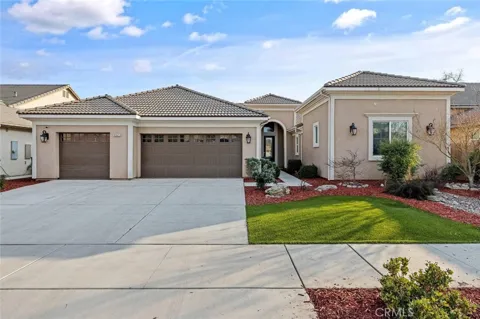
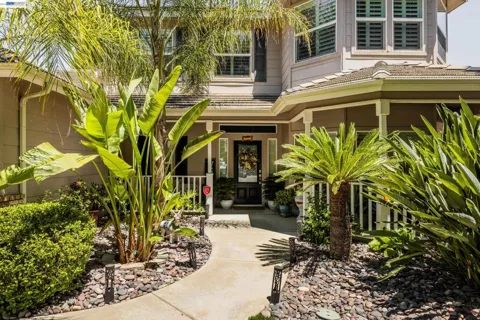
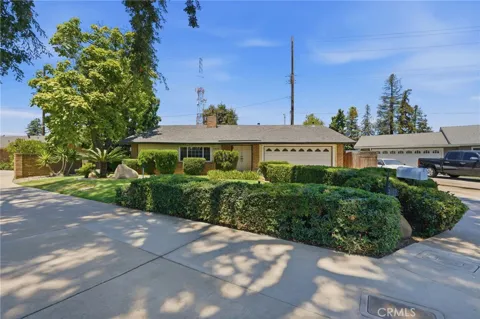
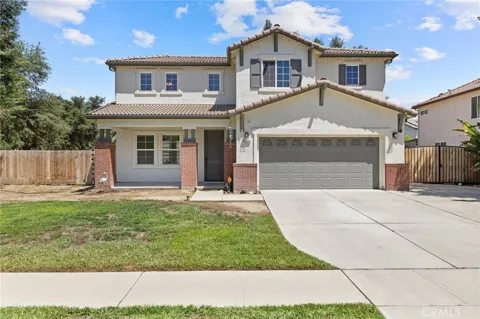
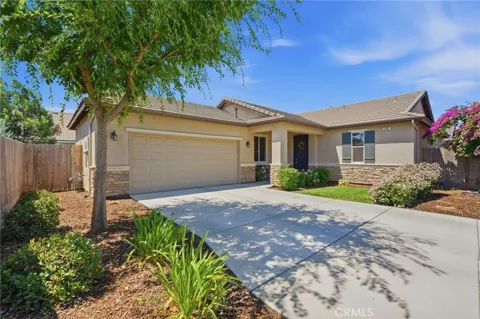
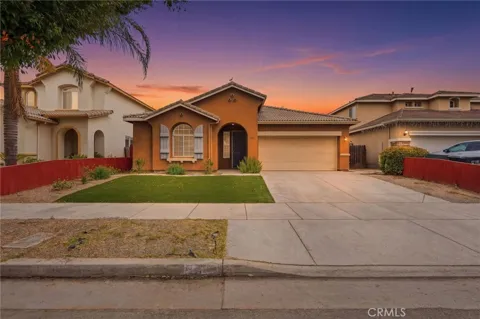
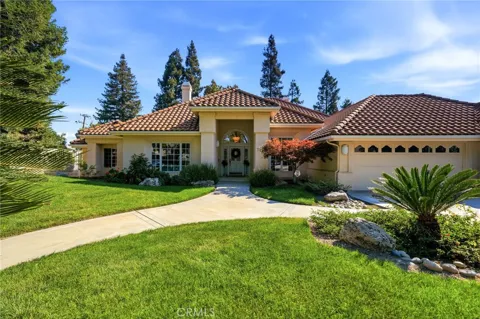
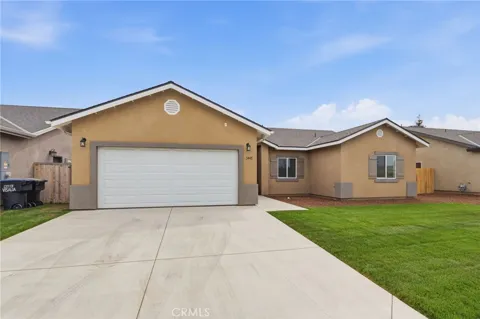
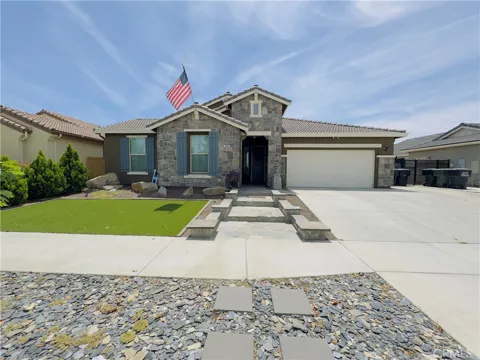
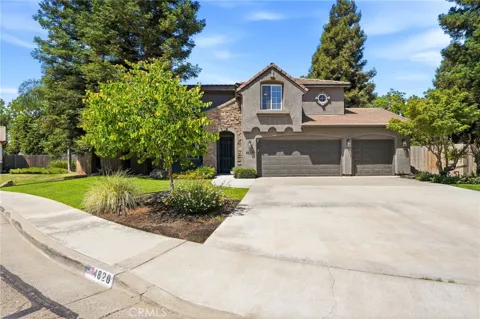
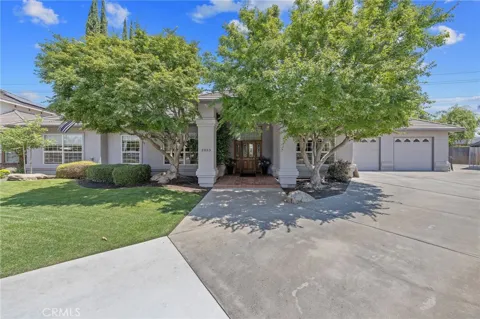
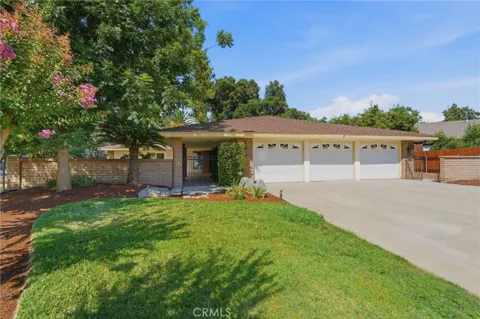
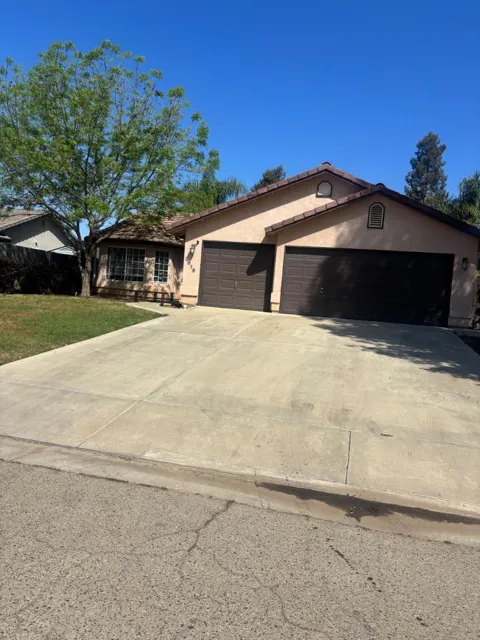
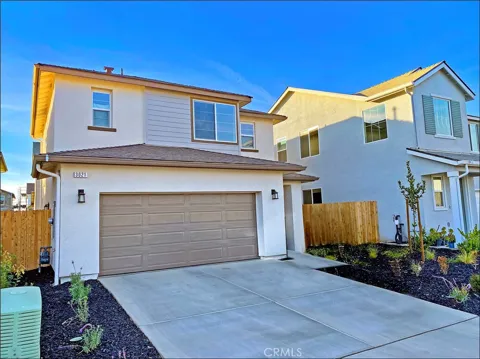
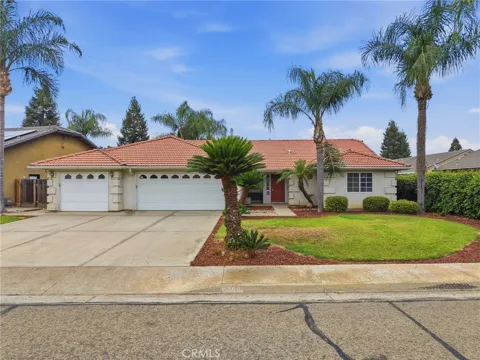
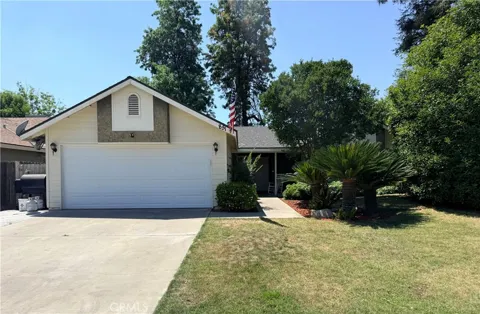
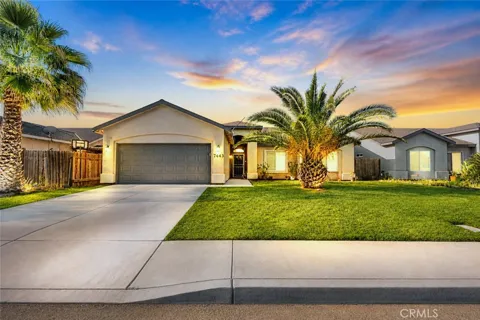
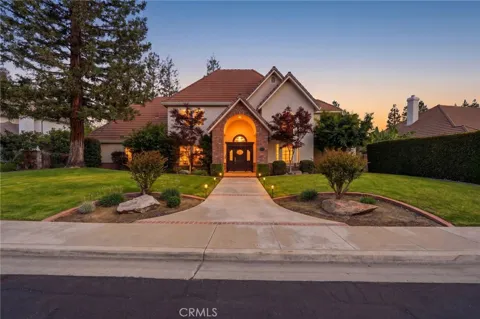
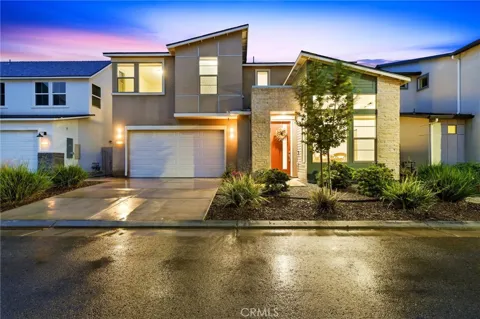
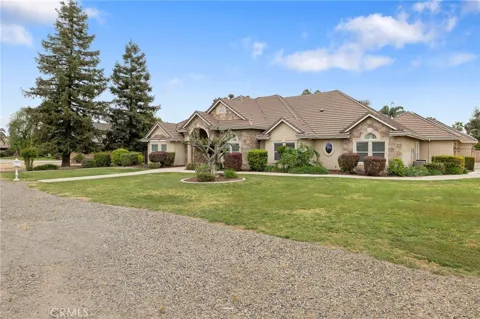
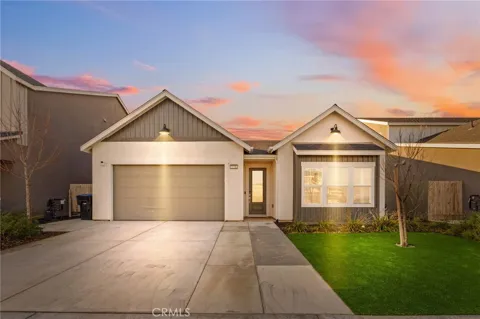
Visalia's housing spans the city's long history, from early twentieth-century homes in the established neighborhoods near downtown to mid-century tracts and newer subdivisions on the expanding northern and western edges. The city's growth has been steady, driven by its role as the Tulare County seat and its position within the agricultural economy of the San Joaquin Valley. Detached single-family homes dominate the market, and residents can find a range of lot sizes, with larger parcels available toward the rural fringe. The housing stock is overwhelmingly owner-occupied, and the market offers a relatively approachable entry point compared with California's coastal metros.
Visalia's neighborhoods radiate from a historic downtown core. The oldest residential streets, near the courthouse and the Fox Theatre, hold early twentieth-century homes on tree-lined blocks, giving the center of the city a distinctly established character. Mid-century subdivisions fill in the surrounding grid, while newer master-planned development pushes toward the northern and western edges of the city. Because Visalia remains the governmental and commercial center of Tulare County, its neighborhoods also include clusters of civic and institutional uses around the downtown. This layered pattern—old core, mid-century ring, and expanding suburban edge—gives Visalia a broad range of residential settings within a single city.
Visalia combines a working agricultural heritage with the comforts of a mid-sized Central Valley city. The downtown is the community's cultural heart, anchored by the restored 1930 Fox Theatre, a historic performing arts venue whose atmospheric interior hosts concerts, films, and live events. Around it, local shops, restaurants, and the four-block Historic Visalia Trail give the center a walkable, small-city feel. The surrounding farmland supplies a robust farm-to-fork dining scene, and the proximity of Sequoia National Park puts mountain recreation within easy reach. Life here is family-oriented and unhurried, with residents balancing the valley's agricultural rhythms against access to the Sierra Nevada's trails and groves.
Visalia is served by Visalia Unified School District, a large public district that educates students across the city and much of the surrounding area. The district operates four comprehensive high schools—El Diamante, Golden West, Mt. Whitney, and Redwood—along with a broad network of elementary and middle schools and alternative programs. As the county seat, Visalia also hosts a range of educational and workforce institutions serving the broader Tulare County region. The district's size and breadth give families options across the city, and its schools function as neighborhood anchors within Visalia's residential areas.
Visalia sits at the junction of the San Joaquin Valley's highway network, with State Route 198 running east-west through the city toward the Sierra Nevada and Sequoia National Park, and the broader valley's north-south corridors, including State Route 99, nearby to the west. The Sequoia Shuttle, a seasonal transit service, carries passengers from Visalia directly to Sequoia National Park, reinforcing the city's gateway role. Regional rail and bus service connect Visalia to the wider Central Valley and, ultimately, to the state's larger metropolitan areas. As in most valley cities, the automobile is the primary mode of daily transportation.
Sequoia National Park is Visalia's defining recreational resource, with its giant sequoia groves, hiking trails, and mountain scenery roughly 35 miles to the east, and the Sequoia Shuttle linking the city to the park. Within the city, Mooney Grove Park offers picnic grounds, a lake, and open space, while the ImagineU Children's Museum serves families. The Visalia Rawhide, a minor league baseball club, provides a professional sports presence, and the Fox Theatre anchors the downtown's cultural calendar with concerts and performances. The combination of a historic downtown, city parks, and immediate access to the Sierra Nevada gives Visalia a recreational profile that few valley cities can match.
MARKET SNAPSHOT
How homes have been selling here over the last 90 days.
Market data reflects closed sales over the last 90 days and is provided for informational purposes.
BROWSE BY ZIP
Browse listings by postal code in this area.