Affluent Residential Enclave
Welcome to San Marino, an affluent, almost exclusively residential city in the San Gabriel Valley, home to The Huntington Library, Art Museum, and Botanical Gardens and a top-rated school district.
San Marino is an affluent city in the western San Gabriel Valley of Los Angeles County, California, immediately south of Pasadena and roughly ten miles northeast of downtown Los Angeles. Its name reaches back to the Republic of San Marino in Europe: in the 1870s, landowner James DeBarth Shorb named his rancho after his grandfather's Maryland plantation, which in turn honored the small European republic. Railroad and utility magnate Henry E. Huntington purchased the Shorb estate in 1903, and the city incorporated in 1913 from the former Wilson, Patton, and Huntington ranchos. The city is defined by its almost exclusively residential character. It has no multi-family or industrial zoning, and its built environment is dominated by detached single-family homes constructed mostly between the 1920s and 1960s on large, landscaped lots. That deliberate low-density planning, combined with mature trees and estate-style architecture, gives San Marino a calm, garden-suburb quality rare in the Los Angeles basin. San Marino is best known beyond its borders for The Huntington Library, Art Museum, and Botanical Gardens, a 120-acre research and cultural institution with world-renowned gardens, galleries, and rare-book collections. Public education is provided by the small, highly regarded San Marino Unified School District, which maintains partnerships with The Huntington and nearby Caltech. The city of about 12,500 residents suits families and professionals drawn by the schools, the low-density streetscape, and proximity to Pasadena's dining and employment centers. It offers a distinctly suburban, privacy-oriented way of life a short drive from the amenities of the San Gabriel Valley and greater Los Angeles.
San Marino is in Los Angeles County, California, in the western San Gabriel Valley just south of Pasadena. It lies roughly ten miles northeast of downtown Los Angeles, near the Foothill Freeway (Interstate 210).
San Marino is best known as the home of The Huntington Library, Art Museum, and Botanical Gardens, a research and cultural institution set across 120 acres of gardens with art galleries and a library of rare books and manuscripts. The city is also known for its affluent, almost exclusively residential character and its top-rated school district.
Public school students in San Marino attend the San Marino Unified School District, a small, highly regarded district of about four schools serving roughly 3,000 students. The district maintains educational partnerships with The Huntington Library and the nearby California Institute of Technology (Caltech) in Pasadena.
Yes, San Marino is almost entirely residential. The city has no areas zoned for multi-family residences or for industrial or manufacturing use, and its built environment is dominated by detached single-family homes constructed mostly between the 1920s and 1960s on large lots.
Lacy Park is San Marino's signature public park, located in the San Rafael Hills. Dedicated in 1925 and later renamed for longtime mayor Richard Lacy, the park features large trees, open lawns, a rose garden, walking loops, and tennis courts.
The name San Marino traces back to the Republic of San Marino in Europe. In the 1870s, landowner James DeBarth Shorb named his rancho after his grandfather's plantation in Maryland, which was itself named for the small European republic. Henry E. Huntington later purchased the land, and the city incorporated in 1913.
City Guide
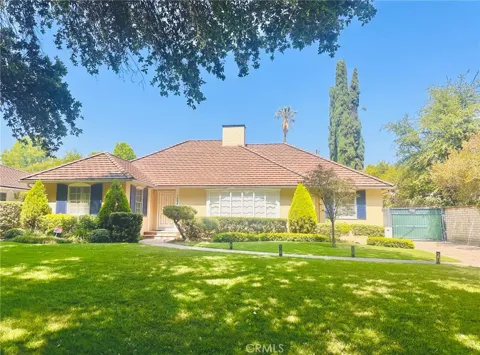
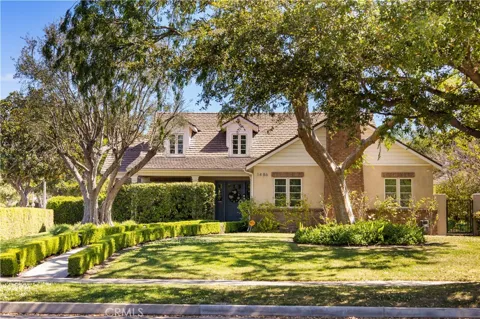
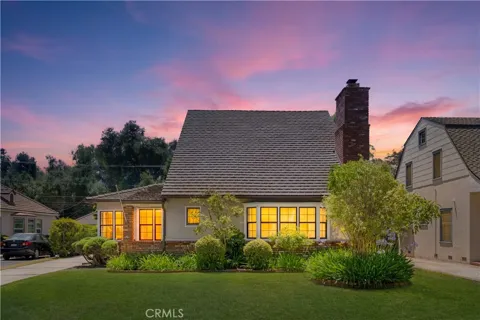
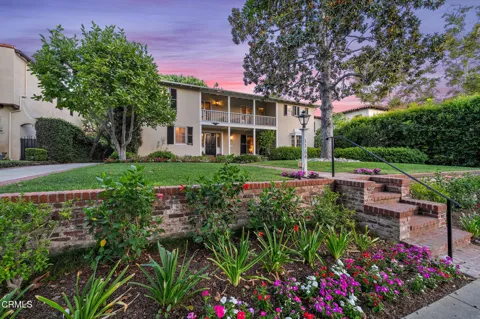
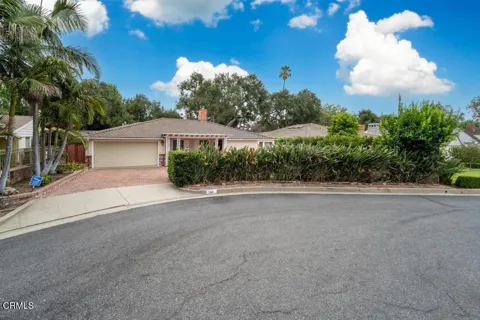
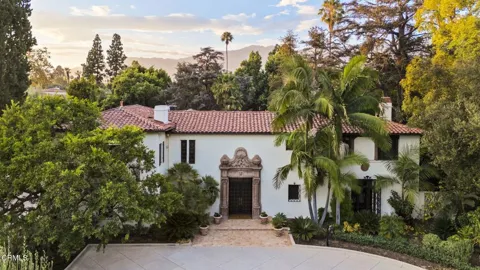
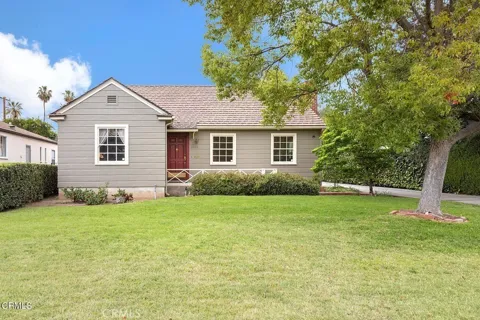
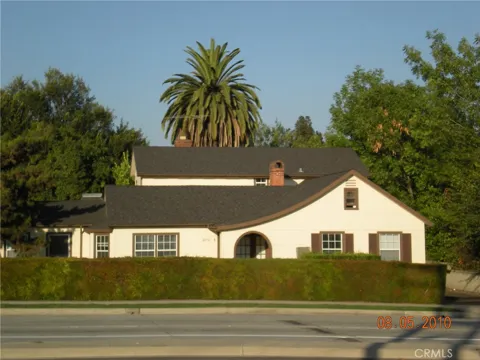
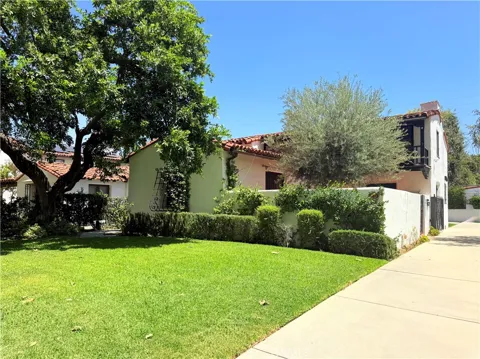
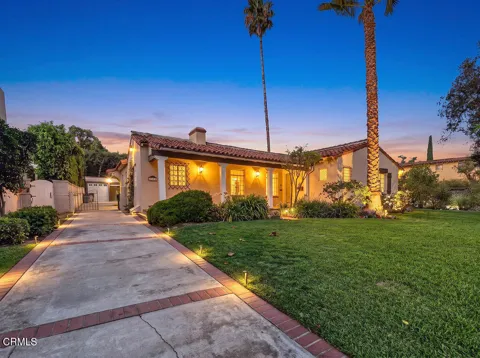
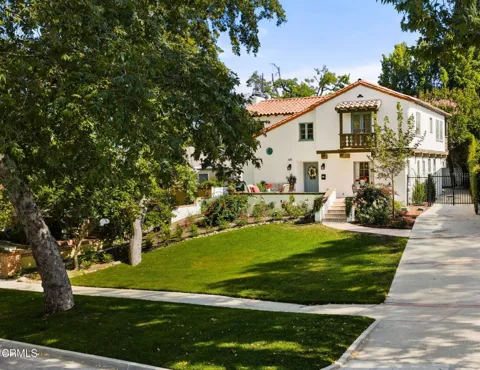
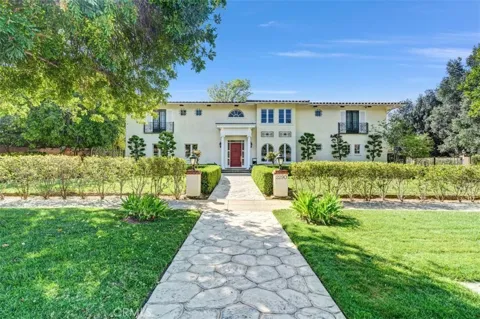
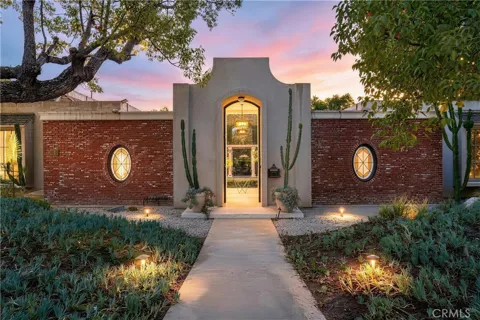
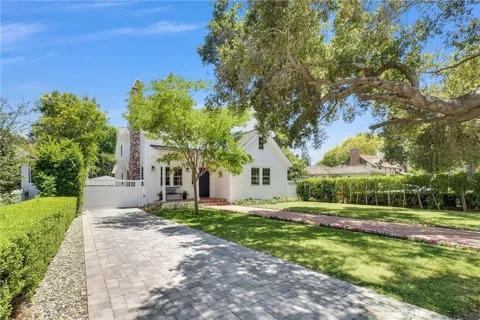
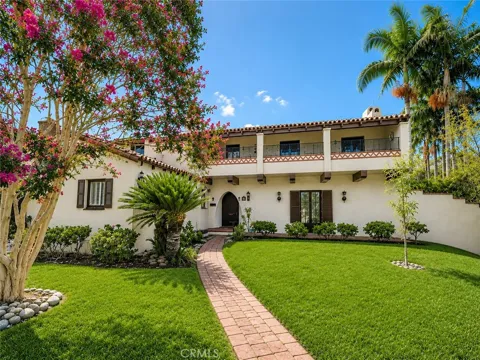
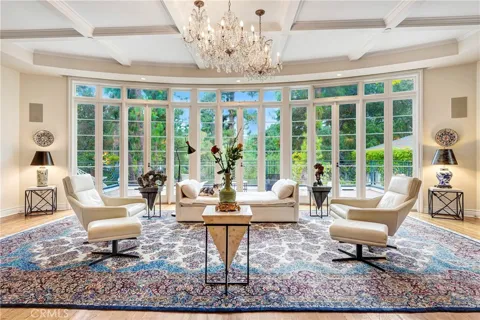
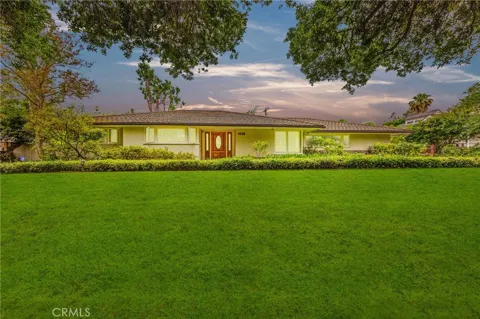
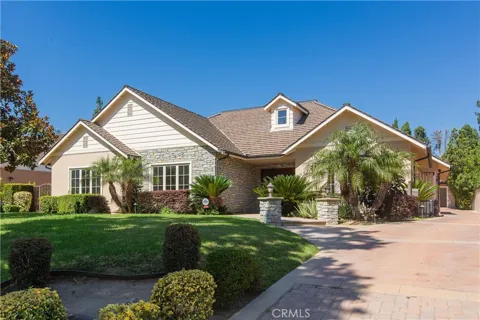
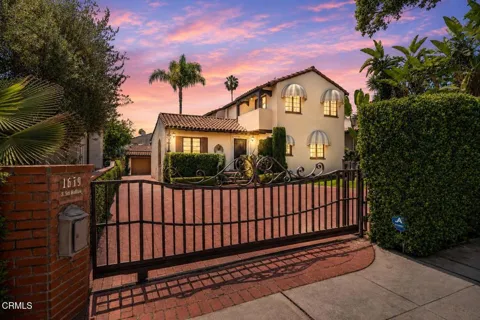
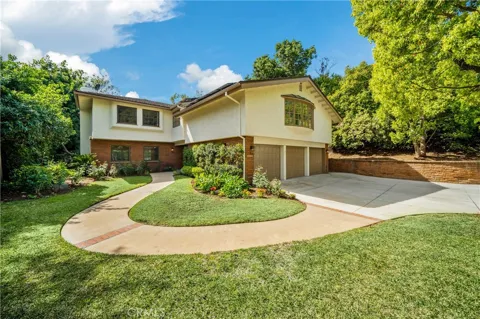
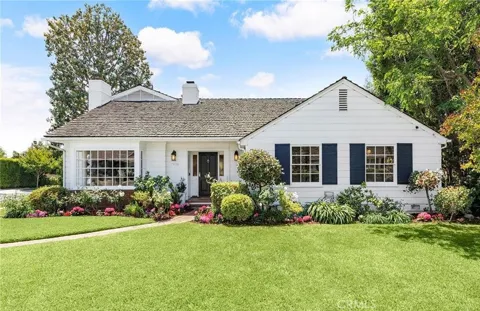
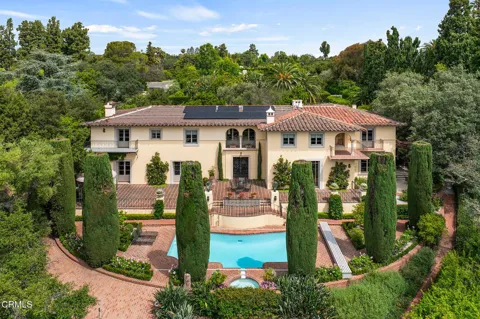
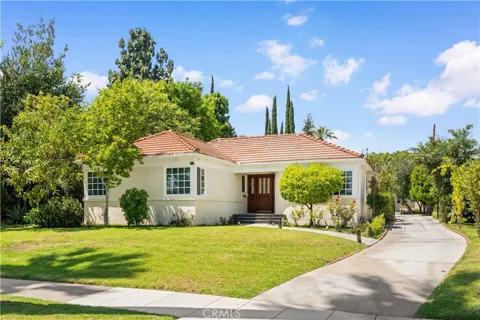
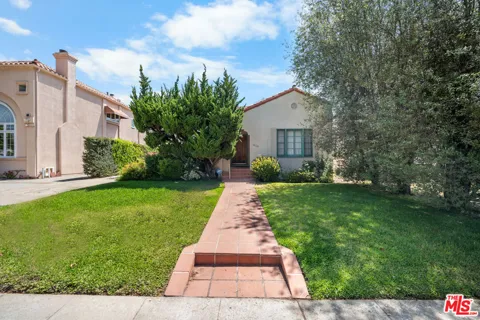
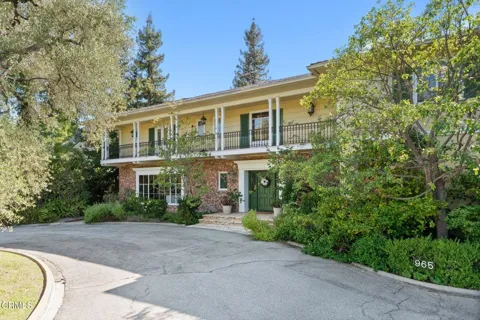
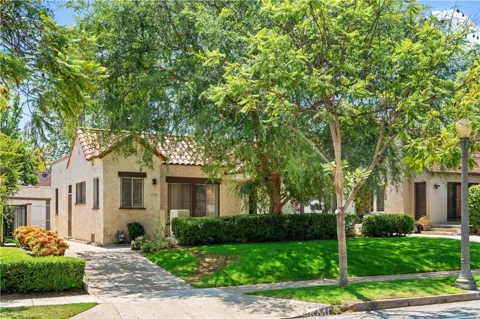
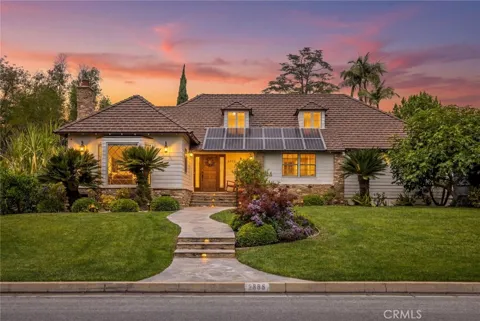
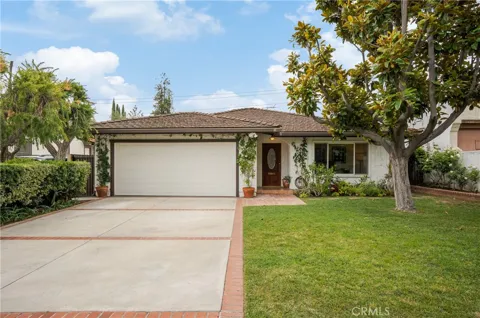
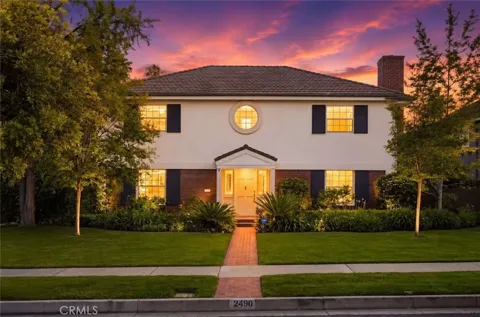
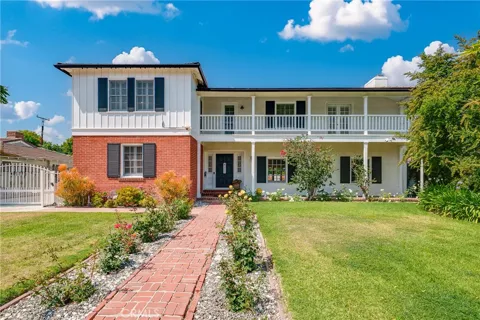
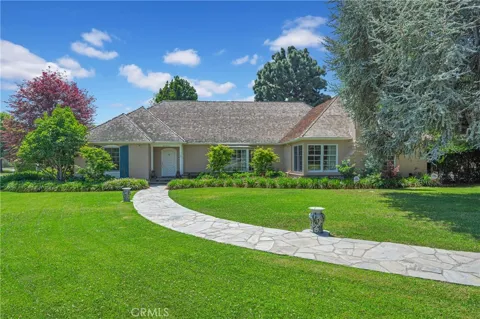
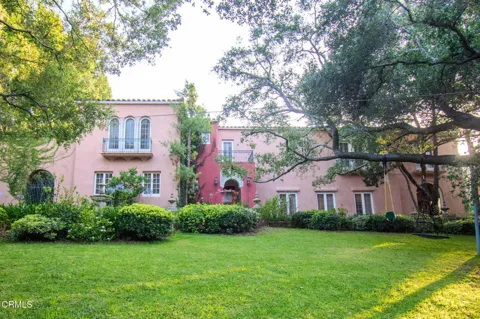
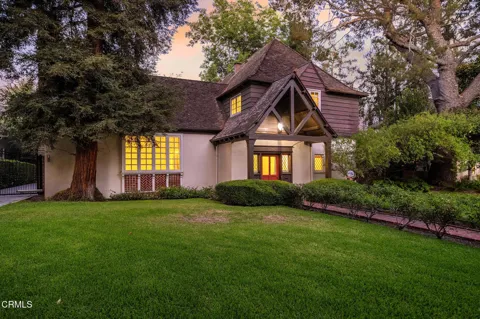
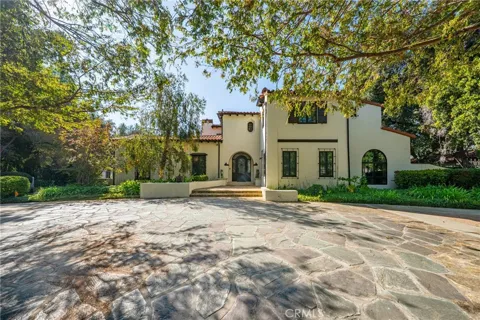
San Marino's housing stock is almost entirely detached single-family homes built largely between the 1920s and 1960s, sitting on generous, landscaped lots. The zoning code carries no multi-family or industrial districts, which keeps the city's scale uniformly residential and contributes to its estate-like feel. Architectural character ranges from Spanish Colonial Revival and English Tudor to later mid-century ranch and larger custom homes, with mature street trees throughout. Inventory is limited by the city's compact, roughly four-square-mile footprint and its desirability, so turnover is modest. Buyers here are typically seeking established neighborhoods, lot size, and access to the San Marino schools rather than new construction or density.
San Marino is a compact city of about four square miles, so its "neighborhoods" are more about location than separate identities. The area around The Huntington and the former estate grounds anchors the city's western and central portions, while the San Rafael Hills district near Lacy Park offers winding streets and hillside views. The historic core near Huntington Drive and the city's small commercial areas reflects the town's 1913 founding, and residential streets fan outward from there in quiet, tree-lined blocks. Because the city is uniformly low-density, the distinctions among its streets tend to be architectural era and lot size rather than lifestyle — the whole city reads as one cohesive, established residential enclave bordering Pasadena.
Life in San Marino is quiet, low-density, and family-centered. The city is deliberately residential, with only a handful of small commercial districts, so daily errands and dining often spill into neighboring Pasadena, South Pasadena, and San Gabriel. Old Town Pasadena's restaurants and shops are a short drive away, while The Huntington gives residents a world-class museum and garden in their own city. Community life revolves around the schools, Lacy Park, and civic organizations, and the city's large lots and mature trees create a calm, established atmosphere. Residents trade urban convenience for privacy, green space, and one of the region's most sought-after school systems.
San Marino is served by the San Marino Unified School District, a small system of about four schools and roughly 3,000 students that consistently ranks among California's highest-performing districts. The district benefits from formal partnerships with The Huntington Library, Art Museum, and Botanical Gardens and the California Institute of Technology in adjacent Pasadena, giving students unusual access to humanities and STEM resources. The district's compact size allows close coordination among campuses and strong parent involvement. Proximity to Pasadena also puts private schools and higher-education institutions within easy reach, but the public district remains the city's defining educational draw.
San Marino sits just south of Pasadena, with the Foothill Freeway (Interstate 210) running along its northern edge and Huntington Drive as a primary east-west artery. Downtown Los Angeles is about ten miles to the southwest, reachable by freeway in roughly twenty minutes outside peak hours. The Metro L (Gold) Line light rail stops in adjacent Pasadena and South Pasadena, providing rail access to the regional transit network without running through the city itself. The city's streets are quiet and residential by design, so most residents rely on cars for daily trips while enjoying a calm, low-traffic local road network.
Lacy Park is San Marino's central recreational space, set in the San Rafael Hills with open lawns, large trees, a rose garden, walking loops, and tennis courts. The Huntington's 120 acres of botanical gardens offer another layer of outdoor and cultural recreation within the city, alongside its galleries and library. Neighborhood streets and the city's low-traffic layout support walking and cycling, and nearby Pasadena and South Pasadena extend recreational options with additional parks and trails. The Arroyo Seco corridor and the San Gabriel Mountains, both a short drive away, provide broader hiking and open-space access for residents.
MARKET SNAPSHOT
How homes have been selling here over the last 90 days.
Market data reflects closed sales over the last 90 days and is provided for informational purposes.
BROWSE BY ZIP
Browse listings by postal code in this area.