Wine Country County Seat
Napa is the Napa County seat and the largest city in California's famed Napa Valley wine region, a North Bay hub on the Napa River.
Napa is the largest city in and the county seat of Napa County, California, and the principal city of the Napa Valley, one of the world's most celebrated wine regions. Located in the North Bay portion of the San Francisco Bay Area, the city had a population of about 76,900 as of mid-2024, while Napa County—one of California's original counties—was home to roughly 138,000 people. Napa anchors the valley's southern end, with the more famous winery towns of Yountville, St. Helena, and Calistoga strung north along State Route 29 and the Silverado Trail. Historically a modest agricultural and county-government center, Napa transformed in recent decades into a wine-country destination in its own right. Downtown's revitalization along the Napa River is the clearest expression of that change: the Oxbow District's 40,000-square-foot Oxbow Public Market brings together local food vendors, wine merchants, and a riverside deck, surrounded by restaurants, tasting rooms, and hotels. The city balances this tourism economy with its role as the region's commercial, educational, and service hub. Napa's neighborhoods range from the historic homes of Alta Heights and the family-oriented streets of Browns Valley to newer subdivisions and semi-rural properties at the valley's edge. The Napa Valley Unified School District serves the city, American Canyon, and Yountville through 26 schools and more than 16,000 students. For residents, Napa offers a rare combination: a functioning, family-friendly city with strong schools, mild North Bay weather, and a food-and-wine culture, set about an hour from San Francisco. Its housing and employment are tied to the wine industry, but the city's size and depth of services give it a stability and everyday livability that distinguish it from the smaller, tourism-dominated communities farther up the valley.
Napa is the county seat and largest city of Napa County, California, located in the North Bay region of the San Francisco Bay Area. It is the principal city of the Napa Valley wine country.
Napa's population was about 76,900 as of mid-2024, making it the largest city in Napa County. Napa County as a whole had about 138,000 residents at the 2020 census, with the city as its county seat.
Napa is known as the gateway to the Napa Valley wine region. Downtown Napa features the Oxbow Public Market, a 40,000-square-foot marketplace along the Napa River, along with restaurants, tasting rooms, and a revitalized riverfront.
Napa is served by the Napa Valley Unified School District, which operates 26 schools and enrolls more than 16,000 students in transitional kindergarten through 12th grade across Napa, American Canyon, and Yountville.
Napa is reached by State Routes 29 and 121, with the Silverado Trail paralleling the valley to the east. The city is about an hour from San Francisco, and some commuters use the Vallejo ferry or drive via Highway 37 toward the greater Bay Area.
City Guide
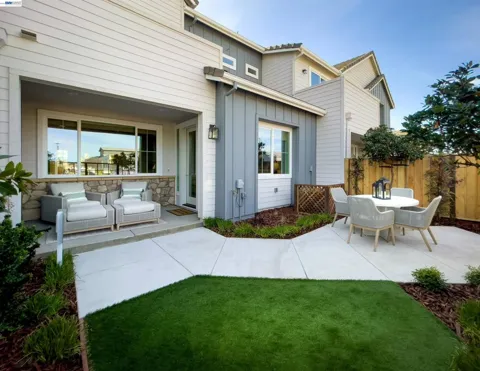
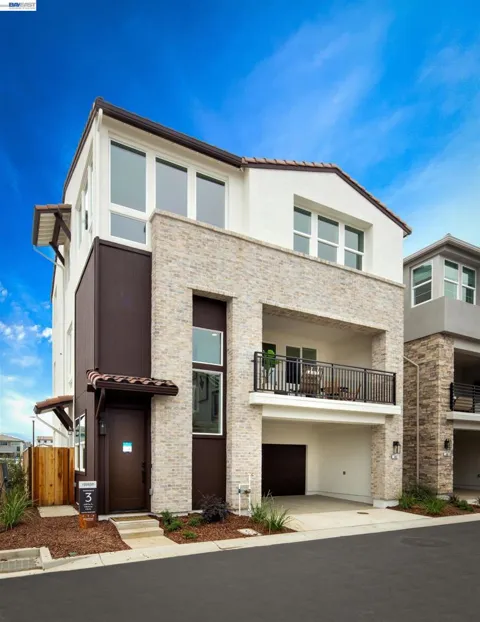
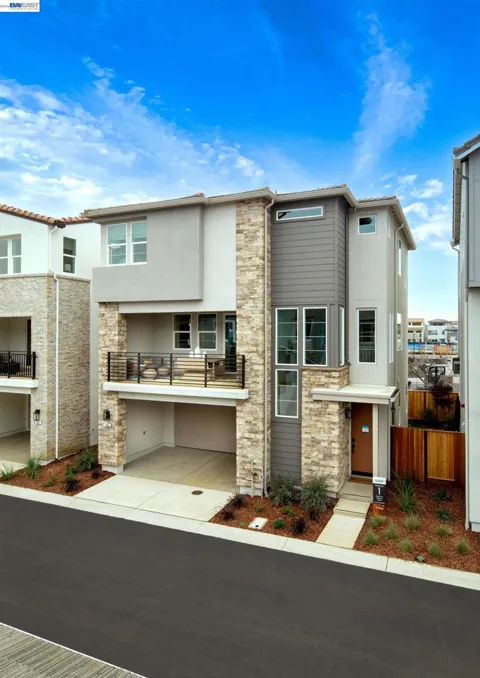
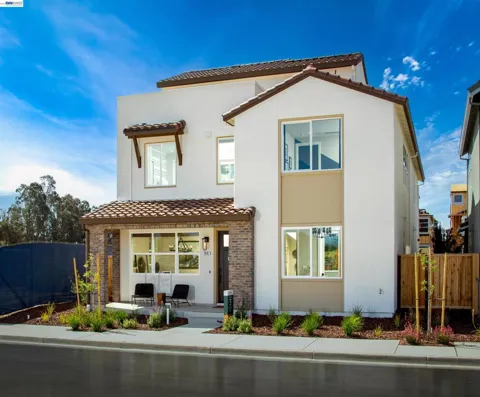
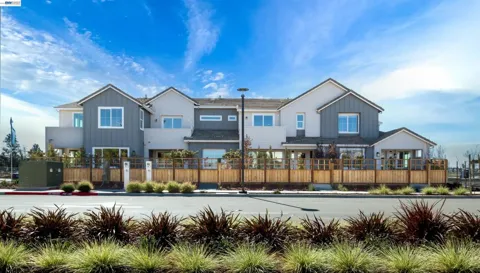
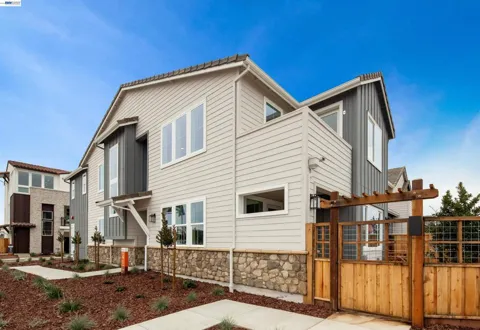
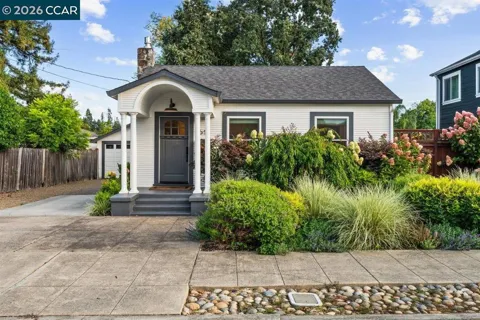
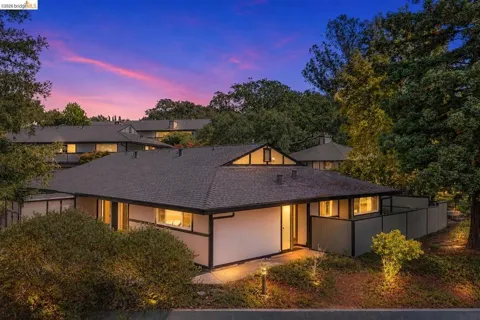
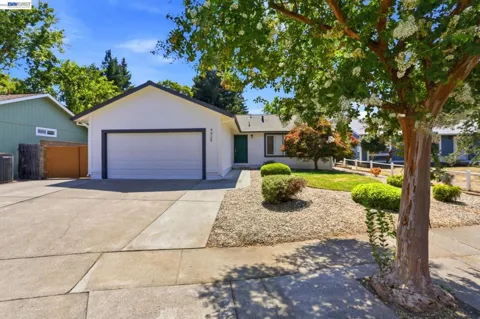
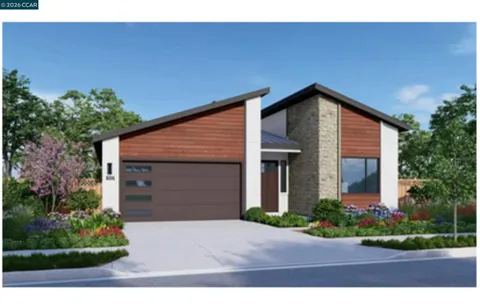
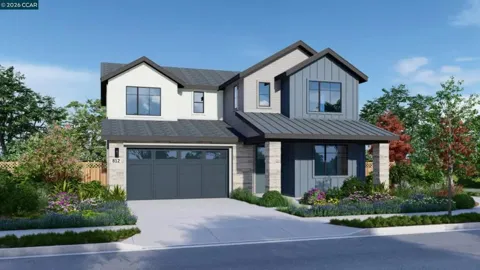
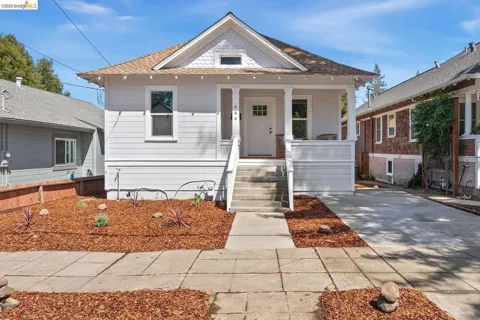
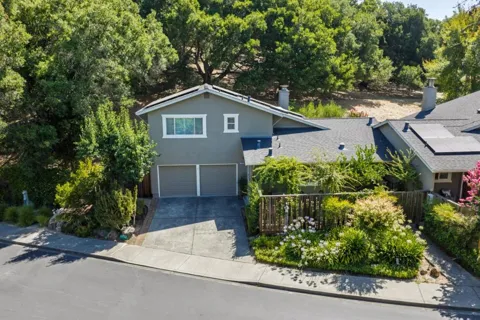
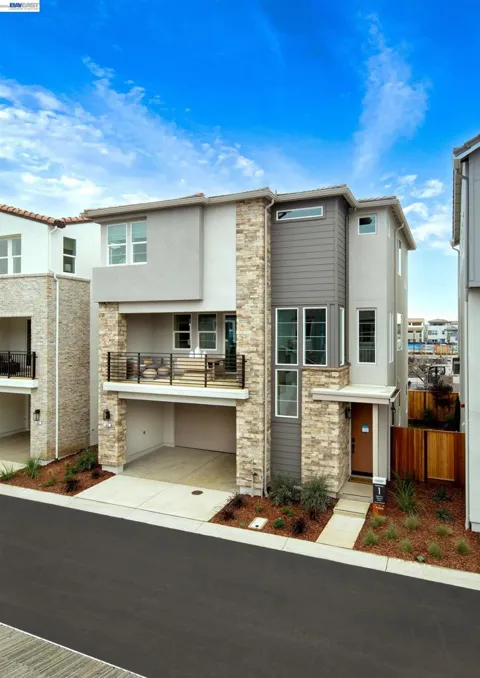
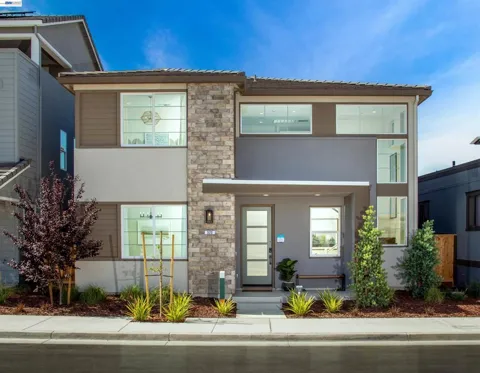
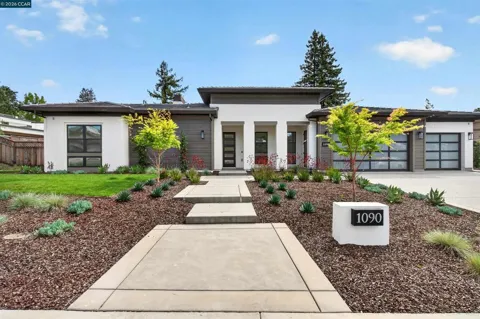
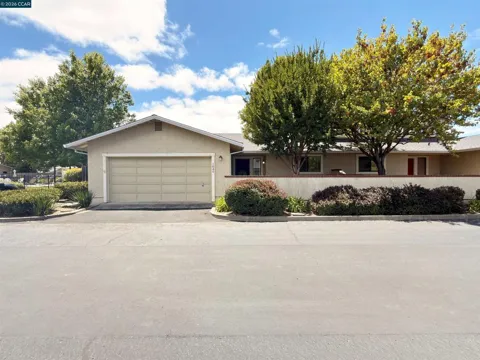
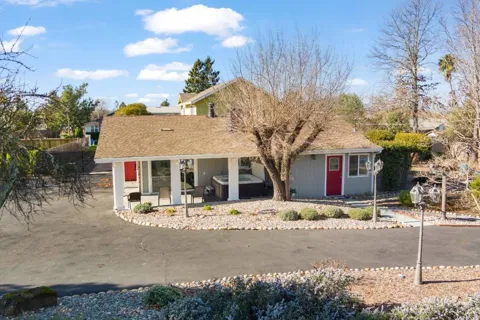
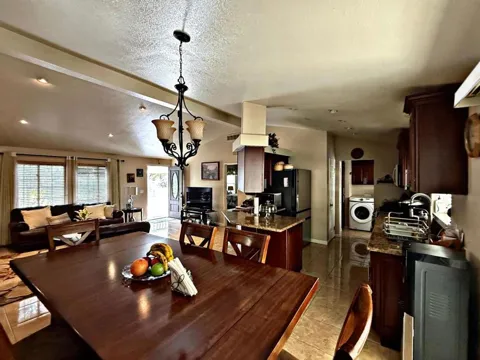
Napa's housing stock reflects its long history as a county seat and its more recent wine-country boom. The mix includes Victorian-era and Craftsman homes near downtown, mid-century ranch houses in established neighborhoods, and newer subdivisions and attached housing on the city's edges, with some vineyard-adjacent and rural properties farther out. The city offers more housing variety and relatively more attainable options than the small towns up-valley, though the broader Napa Valley market is among California's pricier regions. Buyers are drawn by the schools, the downtown's amenities, and proximity to the wine industry's employment, with the character of individual neighborhoods varying from historic in-town streets to newer master-planned communities.
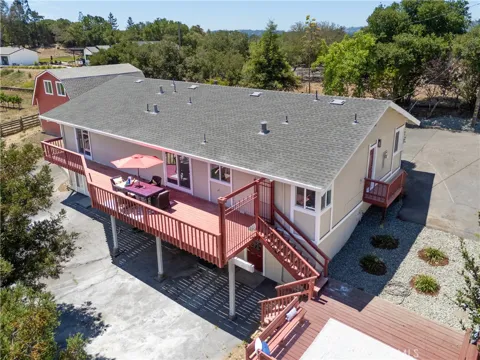
Napa's neighborhoods span a range of eras and settings. Alta Heights, east of downtown, is a sought-after older neighborhood of hillside streets and historic homes with views over the valley. Browns Valley, on the city's west side, is a popular family area with parks, schools, and a mix of mid-century and newer homes. The downtown and Oxbow District anchor the city's walkable core, with condominiums and apartments near the riverfront. Farther out, neighborhoods transition to larger-lot and semi-rural properties as the valley floor opens toward the vineyards. This variety lets buyers choose between in-town walkability, established family streets, and homes with more space on the city's quieter edges.
Napa's lifestyle blends small-city livability with wine-country culture. Downtown's revitalized riverfront is the community's gathering place, anchored by the Oxbow Public Market's food vendors and wine merchants, with restaurants, tasting rooms, and a farmers market drawing both residents and visitors. Daily life is relaxed and food-and-wine oriented, with the valley's vineyards and wineries a short drive north. The Napa River provides a scenic spine through the city, and residents enjoy mild weather, community events, and easy access to the valley's smaller towns. While tourism is central to the economy, Napa retains a genuine local, family-oriented character distinct from the more visitor-focused towns up-valley.
Napa is served by the Napa Valley Unified School District, a large system that operates 26 schools and enrolls more than 16,000 students in transitional kindergarten through 12th grade across Napa, American Canyon, and Yountville. The district's size gives it a broad range of programs, athletics, and career pathways, with multiple elementary, middle, and high school campuses serving different parts of the city. Because the district covers a wide geography, school assignments vary by neighborhood, and families should confirm boundaries for a specific address. Higher education options include Napa Valley College and, within commuting distance, the universities and colleges of the greater Bay Area.
Napa is reached by State Route 29, which runs north through the heart of the valley as its main artery, and State Route 121, which connects toward the Sonoma Valley and the North Bay. The Silverado Trail parallels Route 29 along the valley's eastern edge. Commuters to the greater Bay Area can reach San Francisco in roughly an hour by car via Routes 29, 12, and 37, or use the Vallejo ferry, which offers about a 60-minute crossing to downtown San Francisco. The Vine transit system provides local and valley bus service, and Napa County Airport serves general aviation. The city is automobile-oriented, with the freeway network and ferry connections shaping regional travel.
Recreation in Napa centers on the Napa River and the surrounding wine country. The downtown riverfront offers walking paths, the Oxbow Public Market's riverside deck, and seasonal community events, while the valley's vineyards, wineries, and acclaimed restaurants form an extended recreational and culinary landscape a short drive north. The region's mild climate supports year-round cycling, including routes along the valley's scenic roads, and nearby towns add tasting rooms, boutique shopping, and spa culture in Yountville, St. Helena, and Calistoga. Beyond the valley, the North Bay's parks and open space—and the San Francisco Bay itself—extend hiking, boating, and day-trip options for residents.
MARKET SNAPSHOT
How homes have been selling here over the last 90 days.
Market data reflects closed sales over the last 90 days and is provided for informational purposes.
BROWSE BY ZIP
Browse listings by postal code in this area.